JetX by SmartSoft is a fast-paced online casino-game that’s become a staple for players from Multi on modern casino sites. In this review I focus on one under-discussed but crucial aspect: mobile graphics load in JetX and its effect on performance, gameplay, and player experience.
Overview of JetX on Mobile
JetX is a multiplier-based crash game where a plane (jet) takes off and a multiplier climbs until the round “crashes.” Players cash out before the crash to lock in winnings. On mobile, the rendering of graphics, animations, and UI elements happens within the casino’s web wrapper or native app. Mobile graphics load in JetX directly influences frame rate, responsiveness, and perceived fairness, all important for players from Multi who value smooth, low-latency play.
How mobile graphics load works in JetX
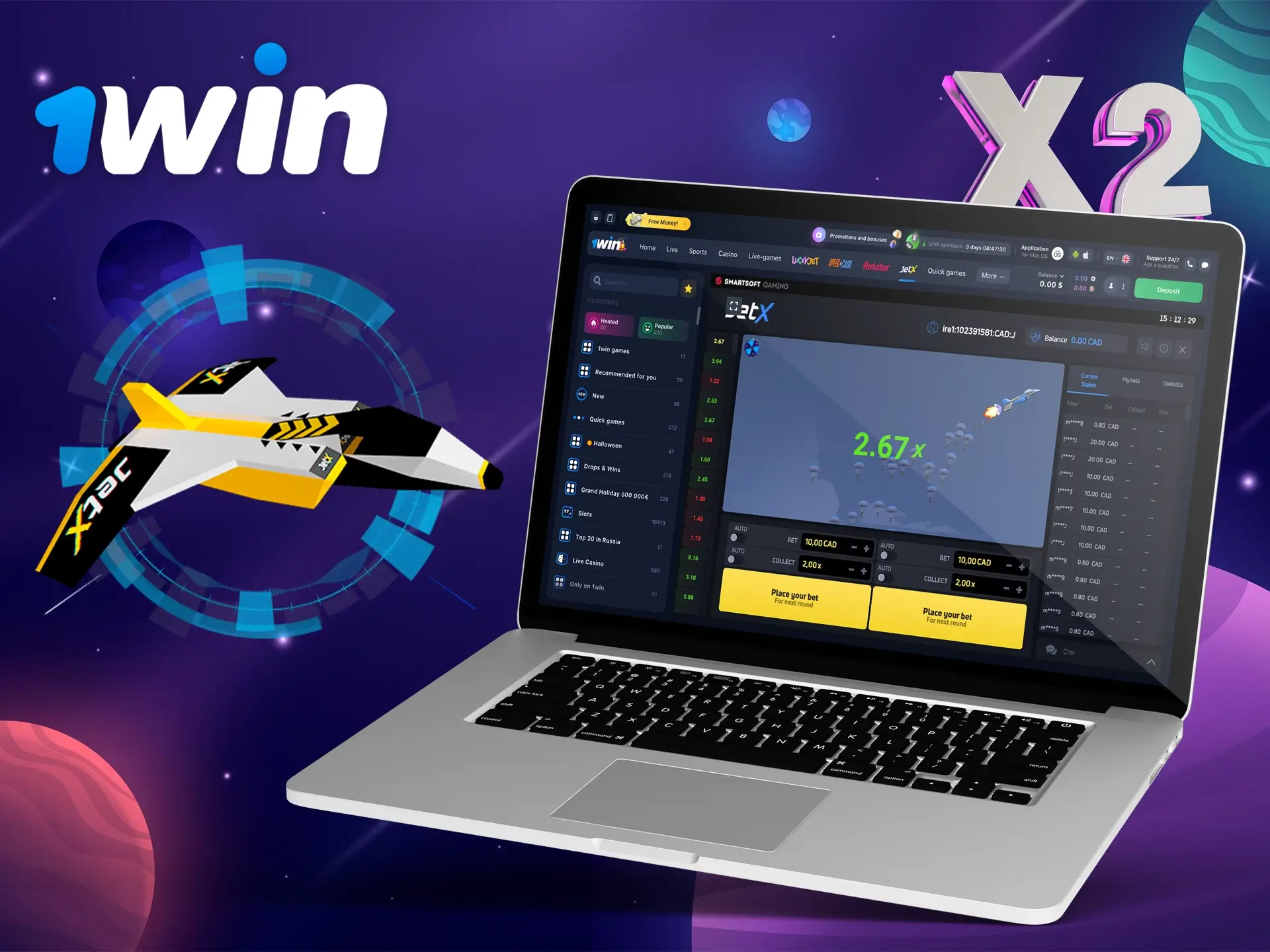
JetX uses a combination of vector and raster assets, WebGL or Canvas rendering (depending on the platform), and sprite-based animations. When a mobile client requests a round, the game loads:
- UI assets (buttons, panels)
- Animation frames for the jet and background
- Fonts and icons
- Sound triggers (often loaded separately)
Initial load vs incremental load
Initial load can be heavier — the first time a player opens JetX in a session the client downloads core assets. Subsequent rounds often reuse cached assets and only require small state updates from the server. If caching is well-implemented, the perceived load time drops dramatically after the first round.
Rendering pipeline
On capable devices, WebGL accelerates animations and keeps frame rates high. On lower-end devices or under poor network conditions the game falls back to Canvas or simplified rendering, which can cause frame drops. Mobile graphics load in JetX therefore has branching logic: choose high-fidelity assets when the device/GPU supports them, otherwise deliver lighter assets for stability.
Effect on performance and gameplay
The connection between visuals and gameplay in JetX is tight: the moment-to-moment feedback — the jet climbing, multiplier numbers changing, and the toss of UI feedback when you cash out — must feel instantaneous. Mobile graphics load affects:
- Responsiveness: Heavy graphics can delay touch response if the main thread is busy rendering.
- Frame rate: Low FPS makes multiplier jumps look choppy and can cause misjudged cash-outs.
- Latency masking: Smooth animations can hide network lag; stutter exposes it.
- Battery & thermal throttling: Intensive rendering increases power draw, leading to throttling that reduces performance mid-session.
Real-world implications for players from Multi
Players in Multi regions often play on a variety of devices and networks. A consistent issue reported is long initial load times on slower connections, which can cause a player to miss the chance to place a bet before a round closes. Conversely, well-optimized graphics lead to higher retention and greater confidence in pushing larger bets because the UI responds predictably.
Optimization techniques used in JetX
SmartSoft and operators implement multiple strategies to keep mobile graphics load in JetX manageable:
- Progressive loading: core UI first, decorative assets later.
- Adaptive asset selection: choose textures and effects based on device capability.
- Caching and service workers: reuse previously downloaded assets between sessions.
- Off-main-thread rendering where possible: WebGL or CSS compositing to avoid jank.
- Network prediction and prefetching: start loading upcoming round state before the round begins.
Trade-offs
Higher visual fidelity increases appeal and perceived value but raises load cost. The balance is to keep the core gameplay extremely responsive while using visuals to enhance, not impede, action. For an online casino serving Multi players, prioritizing reliability over flashy effects is often the right call.
Player experience and perceived fairness
Smooth graphics help players trust the timing of multiplier changes and their cash-outs. When visuals lag or freeze during critical moments, players suspect instability or unfairness even if the RNG and server logic are sound. Therefore, reducing visual hiccups becomes part of maintaining perceived fairness.
Perceived vs actual latency
A well-animated countdown and smooth jet climb can mask a 100–200 ms network delay. If visual frames are dropped, that small latency becomes obvious and frustrating. SmartSoft’s implementation emphasizes visual continuity so the player’s eye and actions stay synchronized with game state.
Testing and QA for mobile graphics
QA teams should test JetX across:
- Low-end Android phones (single-core, limited GPU)
- Mid-range phones with thermal constraints
- High-end phones and tablets
- Various browsers and in-app webviews
- Different network conditions: 2G/3G/4G/5G, high latency, and packet loss
Automated tests simulate frames-per-second and input latency to ensure players in Multi get consistent results. Regression testing is important after any change to assets or rendering logic.
Recommendations for players
If you play JetX from Multi, follow a few practical tips to improve your experience:
- Use modern browsers (Chrome, Firefox, Safari) and keep them updated.
- Play on Wi‑Fi or a strong mobile network to reduce initial load delays.
- Close background apps to free CPU/GPU for rendering.
- Enable low-power or simplified graphics mode if available in the casino app.
Casino integration and multi-region delivery
Casino operators serving Multi must integrate JetX so that the game’s asset CDN is regionally efficient. Latency to the asset server and to the game server are separate concerns: CDNs reduce asset load time while a geographically close game server reduces round-state latency. Together they minimize the negative effects of mobile graphics load in JetX.
Fallback strategies for poor connections
Good operators implement fallback modes that:
- Limit animations to essentials
- Disable non-critical particle effects
- Use vector shapes for backgrounds instead of heavy bitmaps
Mobile graphics load in JetX is a technical and UX challenge with direct implications for performance, fairness perception, and player retention, especially for the diverse device base in Multi. SmartSoft’s adaptive rendering, caching, and progressive loading strategies work to keep gameplay smooth; For players and casinos alike, focusing on reliable, responsive visuals matters more than pushing the highest possible fidelity.
Questions and answers
Frequently asked questions
-
Q: Why does JetX lag on my phone?
A: Likely due to high initial asset load, weak GPU, or network latency. Switch to a stronger connection, clear cache, or enable simplified mode. -
Q: Will lower graphics reduce my winnings?
A: No. Graphics only affect rendering; game logic and RNG are server-side and unchanged. -
Q: How can casinos help?
A: By optimizing CDN placement, enabling progressive loading, and offering low-graphics modes for players in Multi.
Expert feedback
Experienced Player
“I switched to a lightweight mobile mode and saw fewer missed cash-outs. JetX felt more predictable after that change; visuals don’t matter if I can’t press cash out on time.”
Table with the main parameters of the game
| Parameter | Value |
|---|---|
| Developer | SmartSoft |
| Game type | Crash / Multiplier |
| Platform | Web / Mobile |
| Rendering | WebGL / Canvas (adaptive) |
| Typical initial load | 2–6 seconds (depends on network) |
| Cached subsequent rounds | 0.2–1 second |
For Multi players, the takeaway is simple: prioritize stable connections and enable lightweight modes where available. Mobile graphics load in JetX can be managed effectively, and doing so improves both performance and trust in the game.